
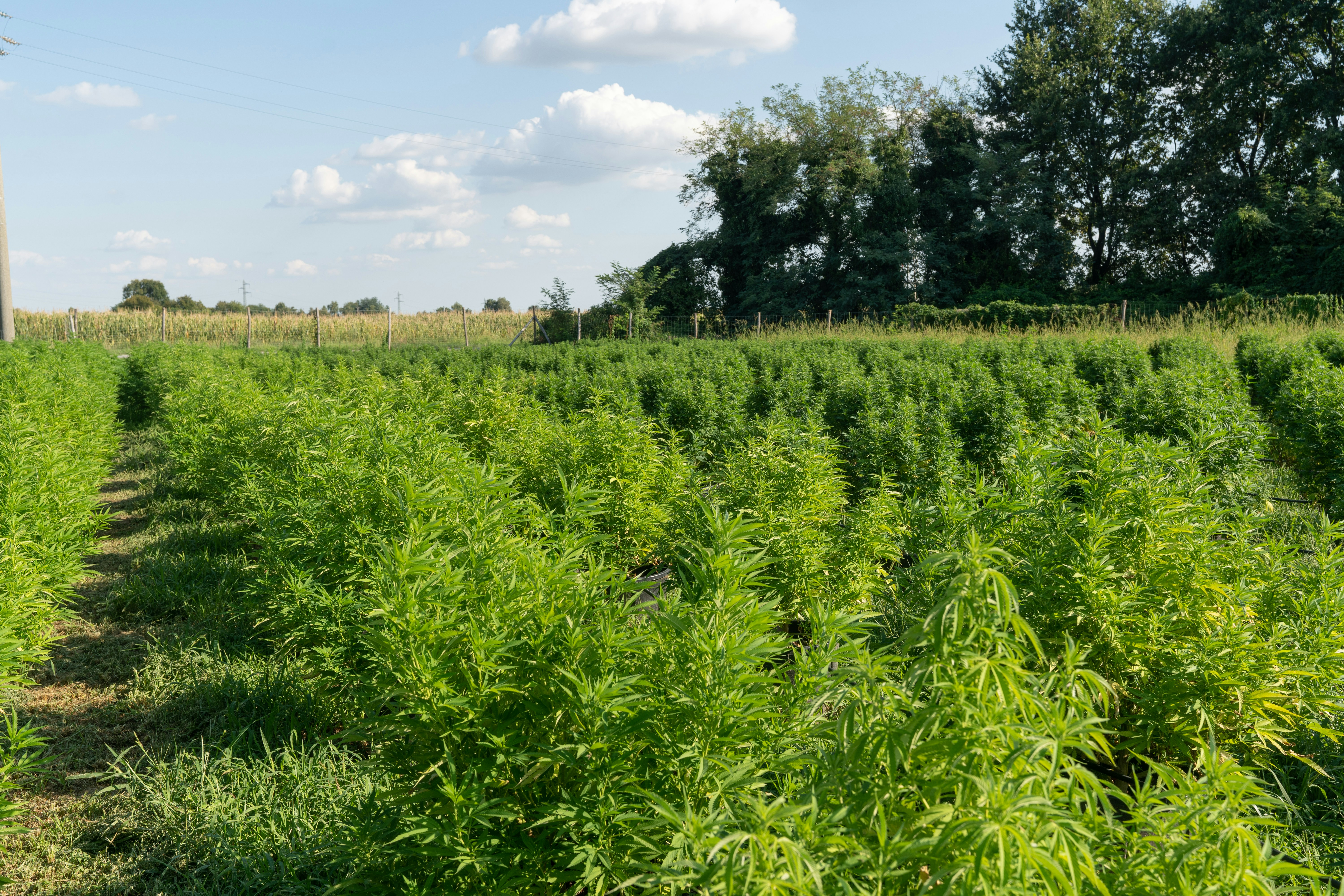
In recent years, THCa flower has emerged as a popular choice among consumers seeking a legal alternative to traditional cannabis. The term “THCa” refers to tetrahydrocannabinolic acid, a naturally occurring cannabinoid found in raw cannabis. Because hemp-derived THCa meets specific federal guidelines regarding Delta-9 THC content, many people consider it an appealing and legitimate choice within the cannabis space. However, the legality of THCa flower can still be confusing, especially when it comes to state-level laws. This blog post will explore why THCa flower is considered legal under federal law, discuss its growing popularity, and shed light on the states where it remains illegal.
Disclaimer: This content is for informational purposes only and does not replace medical advice. Consult a licensed healthcare professional for questions about cannabis use and health.
Understanding THCa and Its Legal Distinction
THCa vs. THC
THCa (tetrahydrocannabinolic acid) is the acidic precursor to Delta-9 THC. In its raw form, THCa is non-intoxicating. When exposed to heat through a process known as decarboxylation, THCa transforms into Delta-9 THC, which is the primary compound in cannabis (Shevlin, 2022). This distinction between THCa and Delta-9 THC is significant because federal law focuses primarily on the amount of Delta-9 THC present in a cannabis-derived product, not the amount of THCa.
Federal Definition of Hemp
Under the Agricultural Improvement Act of 2018 (commonly known as the 2018 Farm Bill), “hemp” is defined as any part of the Cannabis sativa L. plant containing no more than 0.3% Delta-9 THC on a dry-weight basis (Agricultural Improvement Act of 2018, 2018). This definition includes hemp-derived cannabinoids and extracts. Therefore, hemp flower containing less than 0.3% Delta-9 THC is legally considered hemp—even if it contains higher levels of THCa.
In other words, the reason THCa flower qualifies as hemp is that it meets the threshold for Delta-9 THC, which must not exceed 0.3% on a dry-weight basis. Despite the fact that THCa can eventually convert to Delta-9 THC when heated, the law’s technical language does not account for potential conversion. It only measures Delta-9 THC in its present, not-yet-decarboxylated state (Shevlin, 2022).
Why THCa Flower Is Considered Legal
Strict Measurement Standards
The 2018 Farm Bill uses one metric: Delta-9 THC concentration in a raw or pre-decarboxylated sample. If that concentration remains at or below 0.3%, the product is classified as hemp (Agricultural Improvement Act of 2018, 2018). THCa flower typically meets these criteria because it is harvested and sold before significant decarboxylation occurs, which keeps its Delta-9 THC measurement within legal limits.
Regulatory Clarity for Hemp Products
Many federal agencies, including the U.S. Food & Drug Administration (FDA), are actively monitoring hemp-derived products to ensure they comply with both safety and labeling standards (U.S. Food & Drug Administration, 2021). As long as THCa flower is derived from hemp containing less than 0.3% Delta-9 THC, federal agencies usually recognize it as a form of hemp under existing guidelines.
Expanding Marketplace
The widespread availability of hemp and CBD products in the United States has paved the way for newer hemp-derived offerings, such as THCa flower. Consequently, the market for these products has grown, and so has consumer curiosity. Many users appreciate that raw THCa does not produce strong intoxicating effects, making it suitable for those interested in a milder experience.
The Rise in Popularity of THCa Flower
Consumer Curiosity and Wellness Trends
As more people seek holistic approaches to health, natural plant-based compounds have gained popularity. THCa flower captures attention because it bridges the gap between non-psychoactive CBD products and more conventional cannabis flower with higher levels of Delta-9 THC. Individuals who want to explore the potential benefits of cannabis without becoming overwhelmed often find THCa flower to be a balanced option.
Potential Benefits and the “Ensemble Effect”
In cannabis research, many consumers and experts discuss how cannabinoids and terpenes may interact synergistically. Often referred to as the “Ensemble Effect,” it suggests that various cannabinoids and terpenes work together to produce unique experiences. Hemp-derived THCa might offer this phenomenon by combining THCa with additional beneficial components of the hemp plant, including other cannabinoids like CBD and terpenes such as myrcene and limonene (ElSohly & Slade, 2005).
Increasing Availability
The growing consumer demand has led farmers and brands to develop specialized hemp strains high in THCa. Some cultivators use specific breeding techniques to minimize Delta-9 THC while maximizing THCa. This is much like how growers produce high-CBD hemp strains. Consequently, consumers can purchase THCa flower in many dispensaries and online marketplaces, depending on state laws.
Where THCa Flower Is Not Legal—and Why
While hemp-derived THCa is legal under federal law, that does not automatically guarantee legality at the state level. Some states restrict the total amount of THC (including THC in all its forms) or have specific laws concerning hemp products deemed to be “intoxicating.”
States Restricting Total THC
Idaho, for instance, has historically taken a strict stance on any cannabis-related product. Until recently, it did not allow any form of hemp with any measurable THC content. Although Idaho has relaxed certain regulations in response to the 2018 Farm Bill, it continues to enforce stringent definitions that can make THCa flower a gray area (Shevlin, 2022).
States with Broader Cannabis Bans
Some states still impose broader bans on THC or cannabis products in any form, which can include THCa flower. Kansas and Nebraska have had a history of more restrictive policies surrounding hemp-derived products. Their laws focus on ensuring that no product can be converted into a form containing higher amounts of Delta-9 THC. Therefore, regulators in these states may treat THCa flower with caution or prohibit it outright.
Local Enforcement and Interpretation
Local authorities in certain jurisdictions may interpret state or federal guidelines more conservatively. If a law enforcement official believes THCa flower can be decarboxylated into illicit levels of Delta-9 THC, they may treat possession as equivalent to possessing illegal marijuana. Since legal statutes differ from one region to another, consumers should thoroughly review local regulations.
Why States Disagree
State-level disagreements often come down to how each jurisdiction interprets hemp’s legal definition. The federal guideline focuses on Delta-9 THC. However, some states are concerned that THCa can become Delta-9 THC, effectively sidestepping the 0.3% Delta-9 THC threshold when the product is heated. Because of these concerns, certain states have enacted specific laws limiting the sale or possession of THCa flower.
Navigating Compliance and Safety
Lab Testing and Transparency
High-quality THCa flower should come with lab reports confirming the Delta-9 THC content does not exceed 0.3%. Transparency in the supply chain ensures that consumers can verify the legality and safety of the products they purchase. Most reputable brands will provide a Certificate of Analysis (COA) from third-party labs that test for cannabinoid levels, residual solvents, and contaminants (U.S. Food & Drug Administration, 2021).
Understanding the Risks
Consumers must remain aware that while THCa flower may be federally legal, it still carries potential risks if mishandled or misinterpreted by law enforcement. For instance, traveling across state lines with THCa flower might present complications if the receiving state has stricter regulations. Similarly, individuals should stay abreast of any evolving state and local laws, because regulations can change rapidly.
Safe and Responsible Usage
Just because THCa flower is considered hemp does not mean it is entirely free of intoxicating potential. While THCa itself does not cause intoxication, heating it converts some portion into Delta-9 THC. Therefore, users should treat hemp-derived products with respect and caution, particularly if they are new to cannabis or have low tolerance.
CraftCanna’s THCa Offerings
When looking for high-quality THCa flower, choosing products from reputable companies is essential. CraftCanna, for instance, provides a range of hemp-derived pre-rolls that blend THCa with cannabinoids like CBD to support the Ensemble Effect. Each pre-roll is carefully infused with specific terpene profiles:
- Stimulate – Terpene-Infused Pre-roll
- Dose: 25mg THCa, 80mg CBD, ~17% total cannabinoids
- Primary Terpenes: Myrcene, β-caryophyllene, Pinene, Limonene
- Flavor Profile: Sweet Pineapple, Fresh Citrus, Tropical Haze
- Effects: Energetic, Happy, Talkative, Social
- Innovate – Terpene-Infused Pre-roll
- Dose: 25mg THCa, 80mg CBD, ~17% total cannabinoids
- Primary Terpenes: Terpinolene, Myrcene, Ocimene
- Flavor Profile: Sour Lemon, Fresh Pine, Sweet Gasoline
- Effects: Creative, Uplifted, Energetic
- Chill – Terpene-Infused Pre-roll
- Dose: 10mg THCa, 100mg CBD, ~17% total cannabinoids
- Primary Terpenes: Myrcene, Pinene, β-caryophyllene, Humulene
- Flavor Profile: Ripe Blueberry, Soft Cookie, Sweet Pine
- Effects: Euphoric, Relaxed, Tingly
Each of these products highlights the brand’s commitment to quality, ensuring legal compliance by maintaining Delta-9 THC levels at or below the 0.3% threshold (CraftCanna, n.d.). By offering verifiable lab results, CraftCanna assures customers that these hemp flower pre-rolls meet federal standards.
The Future of THCa Flower Legality
Potential for Regulatory Shifts
As states refine their cannabis and hemp regulations, the legal status of THCa flower may evolve. Some lawmakers could push for tighter definitions that include THCa under total THC limits. Others may embrace more flexible regulations, recognizing that THCa does not produce high levels of intoxication in its raw form.
Advocacy and Education
Consumer advocacy and education are key to shaping future policies. By promoting transparent testing practices and clear labeling, advocates can help lawmakers differentiate between raw THCa products and high-Delta-9 THC cannabis. As this distinction becomes more widely understood, more consistent regulations may develop across the United States.
Tips for Consumers
- Know Your Local Laws: Always review state and local regulations before purchasing or possessing THCa flower.
- Check Lab Reports: Reputable companies will provide a Certificate of Analysis verifying that Delta-9 THC remains within legal limits.
- Store and Handle Carefully: Avoid exposing THCa flower to excessive heat, and keep it in well-sealed containers to preserve freshness.
- Consult Professionals: If you have concerns about the health implications of THCa or other cannabis products, consult a medical professional.
Conclusion
Hemp-derived THCa stands at the intersection of legality and innovation in the cannabis world. Because it meets the federal standard of containing less than 0.3% Delta-9 THC, it is considered legal hemp in most parts of the country. Nevertheless, the law differs from state to state, and some jurisdictions have chosen stricter regulations that effectively ban or limit THCa flower.
For those living in states where THCa flower is allowed, it presents a unique opportunity to explore the Ensemble Effect without the overt effect of traditional cannabis. This middle ground has contributed to its rise in popularity, as more individuals turn to hemp flower for wellness and recreational needs. Brands like CraftCanna meet this demand by offering terpene-infused pre-rolls that respect both the letter of the law and the higher expectations of consumers.
Ultimately, staying informed is the best way for consumers to enjoy THCa flower responsibly and legally. The evolving legal landscape demands vigilance and transparency from both producers and consumers. As long as you verify state laws, rely on reputable brands, and keep an eye on potential regulatory changes, you can fully appreciate the benefits of hemp-derived THCa as a viable, legal alternative to traditional cannabis.
References
- Agricultural Improvement Act of 2018, Pub. L. No. 115-334, 132 Stat. 4490 (2018).
https://www.congress.gov/bill/115th-congress/house-bill/2 - CraftCanna. (n.d.). CraftCanna Products. Internal document.
- ElSohly, M. A., & Slade, D. (2005). Chemical constituents of marijuana: The complex mixture of natural cannabinoids. Life Sciences, 78(5), 539–548.
- Shevlin, Y. (2022). The evolving legal status of hemp-derived THCa. Journal of Cannabis and Hemp Studies, 10(2), 45-53.
- U.S. Food & Drug Administration. (2021). FDA Regulation of Cannabis and Cannabis-Derived Products, Including Cannabidiol (CBD).
https://www.fda.gov/food/food-ingredients-packaging/fda-regulation-cannabis-and-cannabis-derived-products-including-cannabidiol-cbd

Leave a Reply