
Disclaimer: This content is for informational purposes only and does not replace medical advice. Consult a licensed healthcare professional for questions about cannabis use and health.
1. Introduction to terpenes
When you crack open a fresh container of cannabis or spark up a terpene-rich pre-roll, it’s not the THC you smell first—it’s terpenes. These potent compounds shape the flavor, aroma, and experience of each strain. While cannabinoids like THC and CBD often dominate discussions, terpenes and flavonoids act as the plant’s backstage crew, influencing taste and potential effects in fascinating ways. Experience the magic of terpenes yourself with CraftCanna’s terpene-infused pre-rolls!
2. What Are Terpenes & Flavonoids?
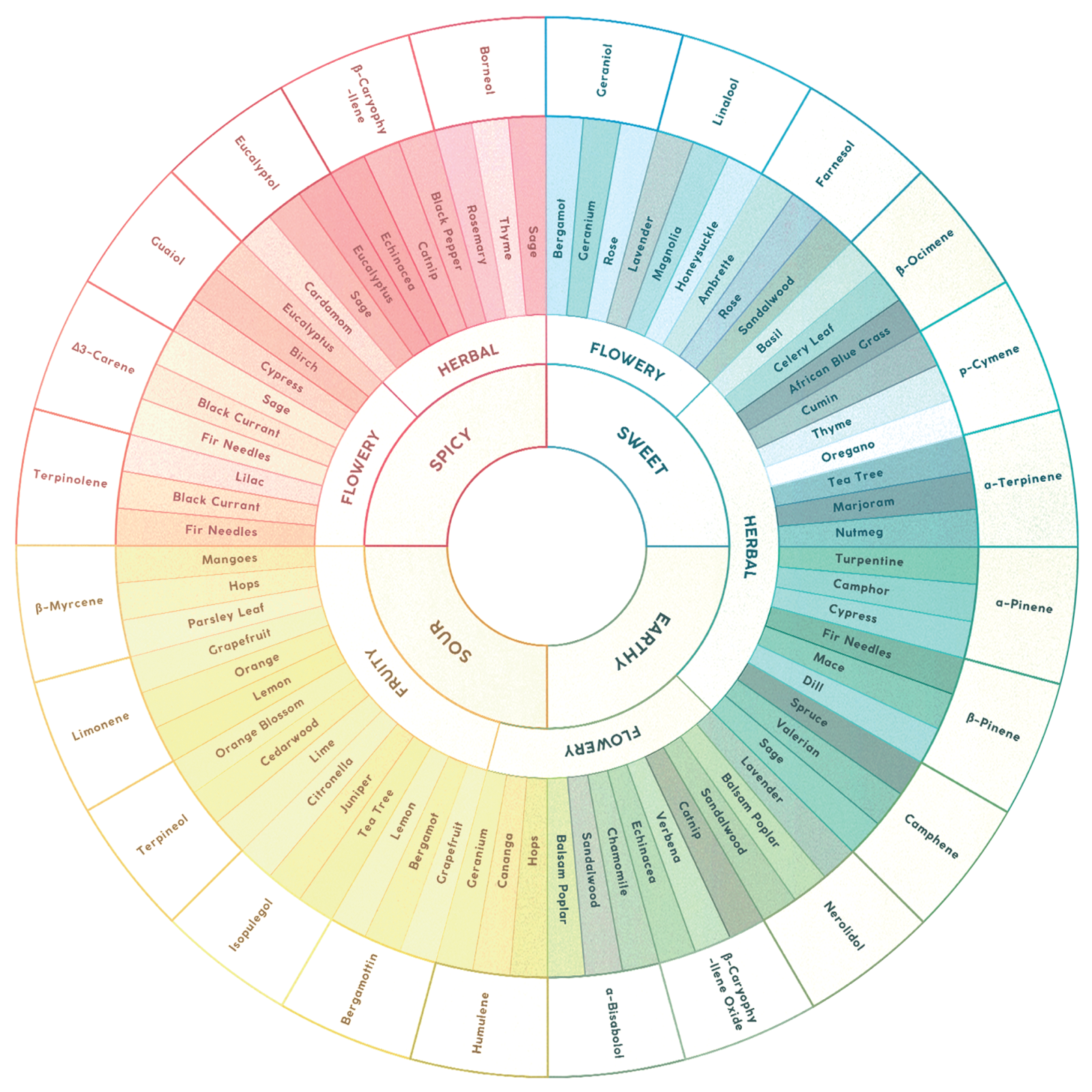
Terpenes are aromatic compounds housed in the trichomes of the cannabis plant. They’re responsible for that initial “nose” you get, offering citrusy, piney, or earthy scents, among others. Interestingly, terpenes aren’t limited to cannabis; they appear in many plants and even some insects (Leafly, 2020).
Flavonoids are another group of plant-based compounds affecting color, minor taste notes, and potential health benefits. In cannabis, flavonoids can deepen the color spectrum, enhance subtle flavor layers, and, according to emerging research, may provide antioxidant and anti-inflammatory properties (Birt et al., 2008).
Together, terpenes and flavonoids serve as the plant’s protective armor, deterring pests while enticing pollinators—and delighting cannabis enthusiasts with a range of vibrant aromas and tastes.
3. How Terpenes Affect Cannabis Taste & Smell
Terpenes are the architects of cannabis’s signature flavors and scents.
- Limonene: Found in citrus rinds, imparts a lemony or orangey zest.
- Pinene: Evokes pine needles and fresh forests.
- Myrcene: Lends an earthy, musky, sometimes fruity note.
Flavonoids complement terpenes by adding delicate background flavors and eye-catching colors. Think of terpenes as the loud, bold instruments in an orchestra and flavonoids as the nuanced harmonies that round out the composition.
4. Major Cannabis Terpenes and Their Effects
Below are some of the most common terpenes in cannabis, along with their reported effects:
- Myrcene
- Aroma: Earthy, musky, slight fruitiness
- Effects: Often sedating; can promote relaxation and the “couch-lock” sensation
- Also Found In: Mangoes, basil

- Limonene
- Aroma: Citrus (lemons, oranges)
- Effects: Potentially uplifting, stress-relieving
- Also Found In: Citrus rinds

- Pinene
- Aroma: Pine needles, fresh forest
- Effects: May boost alertness and mental clarity
- Also Found In: Pine trees, rosemary

- β-Caryophyllene
- Aroma: Peppery, woody, spicy
- Effects: Interacts with CB2 receptors
- Also Found In: Black pepper, cloves

- Linalool
- Aroma: Floral, lavender-like
- Effects: Calming; may support relaxation
- Also Found In: Lavender, mint

- Humulene
- Aroma: Earthy, woody, with a subtle spice
- Effects: Could help curb appetite;
- Also Found In: Hops, sage

5. Flavonoids: The Unsung Heroes
Although terpenes take center stage for their bold scents, flavonoids play an equally crucial role:
- Color Spectrum: Flavonoids deliver vibrant purple, red, and blue hues in various cannabis strains.
- Taste & Aroma Support: They gently enhance or modulate the flavor punches from terpenes.
By working in synergy with terpenes, flavonoids can amplify or mellow cannabis’s overall profile, creating unique, nuanced experiences.
6. Terpenes in Nature
Terpenes appear well beyond cannabis—and understanding their broader roles can deepen your appreciation of these aromatic compounds.
6.1 Everyday Encounters
- Citrus Peels: Peeling an orange releases a fine mist brimming with limonene, the same terpene found in many sativa-leaning cannabis strains.
- Herbs & Spices: The pungent fragrances of basil, thyme, and rosemary come from various terpenes, including pinene and eucalyptol.
- Flowers: Lavenders owe their calming scent to linalool (High Times, 2019).
6.2 Ecological Functions
- Plant Defense: Terpenes can repel pests and even prevent fungal growth, protecting the host plant.
- Pollinator Attraction: Aromatic flowers often use terpenes to draw in bees, butterflies, or other pollinators.
- Plant Communication: Some plants release terpenes to signal neighboring flora about potential threats, an airborne “heads-up” across the botanical world (Leafly, 2020).
6.3 Aromatherapy & Beyond
- Essential Oils: Concentrated terpene blends used in aromatherapy for relaxation, mental clarity, or mood enhancement.
- Household Products: Many soaps, lotions, and shampoos incorporate terpene-rich botanical extracts for fragrance and potential benefits.
Understanding how terpenes shape experiences across nature—from the smell of a fresh forest to the taste of a grapefruit—helps underscore their significance in cannabis, where they merge with cannabinoids and flavonoids to create a wide range of sensory delights (Hesse, 2018).
7. The ensemble effect
The term ensemble effect (Russo, 2011) describes how cannabinoids, terpenes, and flavonoids work synergistically in cannabis to produce effects greater than the sum of their parts. This means a THC or CBD experience may shift from energizing to relaxing—or vice versa—when combined with different terpenes and flavonoids. It’s akin to how adding new instruments to a band changes its sound entirely.
Check out our blog post, The Ensemble Effect, to learn more!
8. Hops & Cannabis: A Family Connection
8.1 Shared Botanical Roots
Beer aficionados might be intrigued to learn that cannabis and hops (the main flavoring agent in beer) are botanical cousins? Both come from the Cannabaceae family (Murakami et al., 2015). The bitter, aromatic terpenes contributing to a craft beer’s flavor (like humulene and myrcene) also appear in cannabis. This explains why certain IPAs can remind some people of a dank cannabis flower and vice versa.
8.2 Hops in Beer: Why Terpenes Matter
Hops do more than lend bitterness to beer:
- Flavor & Aroma: Specific hop varieties—like Cascade or Mosaic—pack distinctive terpene combos, yielding floral, citrusy, or fruity notes that shape the beer’s final taste (Craft Beer & Brewing, 2021).
- Preservation: Historically, hops extended beer’s shelf life by providing antimicrobial properties.
- Synergy with Malt & Yeast: In brewing, different malts and yeast strains blend with hop terpenes, creating a virtually infinite range of flavors.
As the craft beer movement continues to grow, brewers experiment with novel hop strains to produce flavor notes that can mimic cannabis’s terpene profiles (BeerAdvocate, 2022). Some craft beers even incorporate hemp or cannabis-inspired hops to highlight a “dank” character, bridging the gap between these two botanical siblings.
8.3 “Cannabis-Style” Beers & Legal Overlap
In regions where cannabis is legal, brewers have explored hemp-infused or terpene-infused beers. While these beverages usually lack THC, they capture some of cannabis’s characteristic aromas via terpene extracts (Forbes, 2018). This trend reflects a cultural overlap between craft beer enthusiasts and cannabis connoisseurs—both of whom cherish nuanced flavors and aromas.
8.4 Beyond the Glass: Future Prospects
Given cannabis’s rising acceptance, the synergy between cannabis and beer may continue evolving:
- Cannabis Terpene Pairings: Beer tastings could incorporate terpene-rich cannabis pre-rolls—like those from CraftCanna—to explore complementary flavors.
- Collaborations & Crossovers: Breweries and cannabis brands might partner, sharing knowledge about how terpenes influence sensory perception in both beverage and botanical products.
- Sustainability: As part of the same botanical family, cannabis and hops could benefit from ongoing research into eco-friendly cultivation and plant breeding to optimize terpene expression while reducing resource use.
In essence, cannabis and hops share more than just distant DNA. They also share a place in craft-minded subcultures that appreciate variety, depth, and originality in flavor, aroma, and overall experience.
9. CraftCanna Terpene-Infused Pre-rolls
At CraftCanna, we’re passionate about celebrating terpenes by formulating pre-rolls that honor their unique qualities. Below are three terpene-rich options curated to highlight specific flavors and potential effects.
Stimulate – Terpene-Infused Pre-roll
- Dose: 25mg THCa, 80mg CBD (~17% total cannabinoids)
- Primary Terpenes: Myrcene, β-Caryophyllene, Pinene, Limonene
- Flavor Profile: Sweet Pineapple, Fresh Citrus, Tropical Haze
- Potential Effects: Energetic, Happy, Talkative, Social
A go-to for daytime motivation, Stimulate harmonizes myrcene’s grounding undertone with pinene’s clarity, while limonene and β-caryophyllene add a lively, stress-free vibe—perfect for brainstorming or social events.
Innovate – Terpene-Infused Pre-roll
- Dose: 25mg THCa, 80mg CBD (~17% total cannabinoids)
- Primary Terpenes: Terpinolene, Myrcene, Ocimene
- Flavor Profile: Sour Lemon, Fresh Pine, Sweet Gasoline
- Potential Effects: Creative, Uplifted, Energetic
Ideal for a burst of ingenuity, Innovate features terpinolene (a sometimes overlooked but multi-layered terpene), supported by the mellowing base of myrcene and a sweet twist from ocimene—perfect for those times you need an imaginative edge.
Chill – Terpene-Infused Pre-roll
- Dose: 10mg THCa, 100mg CBD (~17% total cannabinoids)
- Primary Terpenes: Myrcene, Pinene, β-Caryophyllene, Humulene
- Flavor Profile: Ripe Blueberry, Soft Cookie, Sweet Pine
- Potential Effects: Euphoric, Relaxed, Tingly
Despite the name, Chill doesn’t necessarily induce couch-lock. Instead, the synergy of a moderate THCa dose, elevated CBD, and earthy-sweet terpenes yields a gently euphoric effect—soothing yet subtly uplifting. Expect a sweet berry aroma underscored by notes of soft pine and hints of cookie-like sweetness.
10. Key Takeaways
- Terpenes & Flavonoids: They drive cannabis’s signature taste, aroma, and may influence potential effects.
- Present Everywhere: From citrus peels to hop cones, terpenes pervade daily life, animating nature’s scents.
- Ensemble Effect: Cannabinoids, terpenes, and flavonoids can synergize, creating experiences different from isolated THC or CBD.
- Hops & Cannabis Synergy: As botanical cousins in the Cannabaceae family, hops and cannabis share terpenes and a common ground among craft enthusiasts.
- CraftCanna Pre-rolls: Our blends highlight how specific terpene combinations can yield distinctive flavors and nuanced experiences.
11. References
Blog & News Sources
- BeerAdvocate. (2022). How Hops Affect Flavor & Aroma in Craft Beer. https://www.beeradvocate.com
- CannaInsider. (2021). The Role of Flavonoids in Cannabis. https://www.cannainsider.com/cannabis-flavonoids
- Craft Beer & Brewing. (2021). Hop Terpenes & Their Impact on Beer Flavor. https://beerandbrewing.com
- Forbes. (2018). Exploring Hemp and Cannabis Beers in the Age of Legalization. https://www.forbes.com
- High Times. (2019). Understanding Cannabis Terpenes. https://hightimes.com/health/understanding-cannabis-terpenes
- Leafly. (2020). The Science of Terpenes: The Basics. https://www.leafly.com/news/cannabis-101/cannabis-terpenes-101
Scientific & Academic Sources
- Birt, D. F., Jeffery, E., & Flamme, K. (2008). Plant Flavonoids: Assessment of Nutritional Quality and Cancer Chemopreventive Activities. Pharmacology & Therapeutics, 13(2), 51–76.
- Gertsch, J., et al. (2008). Beta-Caryophyllene is a Dietary Cannabinoid. Proceedings of the National Academy of Sciences, 105(26), 9099–9104.
- Höferl, M., Buchbauer, G., & Jirovetz, L. (2006). Detection and Characterization of Volatile Compounds in Lavender Essential Oils by Means of GC-FID and GC-FID-O. European Food Research and Technology, 224(1), 37–43.
- Lee, C. J., et al. (2017). Antimicrobial, Antioxidant, and Anti-Inflammatory Activities of Pinene. Natural Product Communications, 12(9), 1365–1370.
- Lima, N. G. B., et al. (2013). Essential Oil of Citrus Aurantium L. var. Amara Engler Ameliorates the Depressive-Like Behavior and Hippocampal Brain-Derived Neurotrophic Factor Levels in Chronic Unpredictable Stress. Chemico-Biological Interactions, 196(1–2), 30–38.
- Murakami, A., et al. (2015). Hops (Humulus Lupulus) as Herbal Medicine: Its Role in Herbal Combinations. Journal of Traditional and Complementary Medicine, 5(3), 229–235.
- Passos, G. F., et al. (2007). Anti-Inflammatory and Anti-Allergic Properties of the Essential Oil and Active Compounds from Cordia Verbenacea. Journal of Ethnopharmacology, 110(2), 323–333.
- Russo, E. B. (2011). Taming THC: Potential Cannabis Synergy and Phytocannabinoid-Terpenoid Entourage Effects. British Journal of Pharmacology, 163(7), 1344–1364.
- Touzani, R., et al. (2022). Humulene and β-Caryophyllene: A Review of Their Pharmacological Properties. Frontiers in Pharmacology, 13, 865136.

Leave a Reply